Designing service funnels with clear next steps
Introduction. Service funnels guide prospects from curiosity to commitment. This article explains how to craft each stage so that every touchpoint nudges the client forward, reduces drop‑off, and boosts conversion rates. By embedding explicit next steps—tiny actions that feel natural—you’ll build trust, streamline decision making, and create a predictable revenue stream. Whether you’re launching a new consulting package or refining an existing process, these techniques will help you design funnels that work as efficiently as they look.
Defining the funnel stages
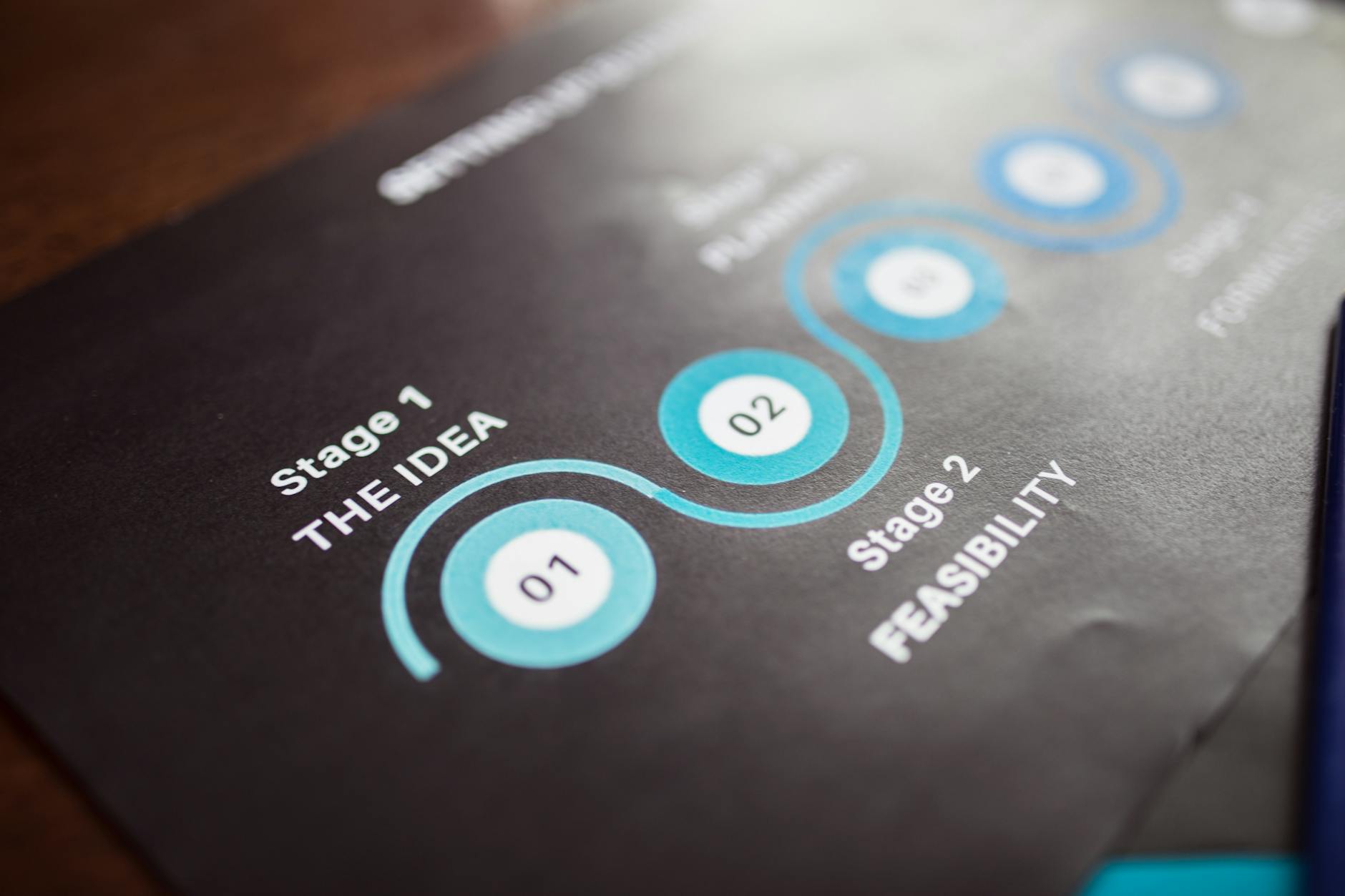
The first task is to map the customer journey into discrete steps: awareness, consideration, decision, and retention. Each stage should contain a single, clear next action—such as “download the case study” or “schedule a 15‑minute call.” Keep the language simple and benefit‑driven so prospects know exactly what’s in it for them.
- Use action verbs that indicate progress, like “view,” “compare,” or “book.”
- Attach an estimated time commitment to each step to set expectations.
Optimizing conversion metrics at every touchpoint
Measure the performance of each stage with specific KPIs: click‑through rate for awareness, demo request ratio for consideration, and booking completion for decision. Adjust copy, offers, or design elements when a metric dips below the target threshold. This data‑driven approach ensures that every next step remains compelling.
| Item | What it is | Why it matters |
|---|---|---|
| Lead magnet | Free resource that addresses a pain point | Captures contact information early. |
| Consultation slot | Scheduled time for personalized discussion | Builds urgency and personal connection. |
| Onboarding checklist | Step‑by‑step guide after purchase | Reduces churn by clarifying expectations. |
Creating a step‑by‑step workflow example
1. Offer a downloadable industry report (awareness).
2. Prompt the visitor to enter an email for full access (consideration).
3. Send a personalized follow‑up with a link to book a strategy call (decision).
4. After the call, provide a customized proposal and ask for approval (retention).
Common pitfalls and how to avoid them
Many funnels stall because they lack urgency or overload prospects with too many choices. Keep each next step focused, use countdown timers sparingly, and test different messaging formats. Also, avoid hidden costs; transparency builds trust and speeds conversion.
Conclusion. By segmenting your service funnel into clear stages, attaching specific next steps, and continuously monitoring key metrics, you’ll transform passive interest into active commitments. Start today by mapping one new funnel with the techniques above—your future clients will thank you for the smooth experience they’ll enjoy.
Image by: RDNE Stock project