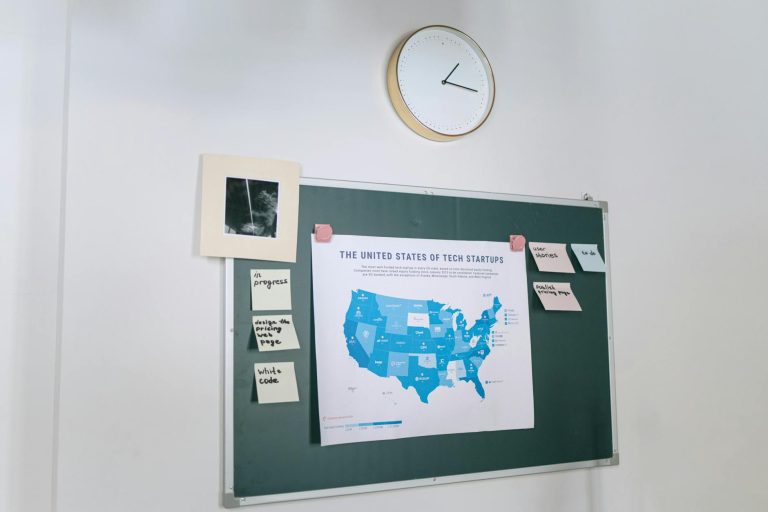

How to choose images that tell a service story
Introduction. Choosing the right visuals for your service page is more than decoration; it builds trust, clarifies value, and guides conversions. This guide walks you through defining narrative goals, selecting imagery that reflects real workflows, and measuring impact. By mastering these steps, marketers can turn static service descriptions into compelling stories that resonate with prospects and drive action.
Define the story arc for your service
Begin by mapping the customer journey: what problem do they face, how does your service intervene, and what outcome awaits them? Visuals should mirror each phase, turning abstract benefits into tangible scenes.
- Select a core visual that represents the service’s primary benefit.
Align image style with brand voice and audience expectations
Consistency in tone—whether polished corporate, warm community, or edgy creative—reinforces credibility. Use color palettes and composition techniques that match your brand guidelines while speaking to the target demographic’s visual preferences.
| Item | What it is | Why it matters |
|---|---|---|
| Authentic photography | Candid, real‑world scenes | Builds trust and relatability |
| Illustrative graphics | Custom icons or storyboards | Clarifies complex processes simply |
| Before/after composites | Side‑by‑side visual comparison | Highlights tangible results instantly |
Create a workflow for sourcing and approving images
1. Draft a storyboard that aligns with the service narrative.
2. Source assets—stock, in‑house shoots, or commissioned art—matching each storyboard frame.
3. Apply brand filters and alt text during editing to maintain consistency.
4. Run A/B tests on image variations to gauge engagement and conversion lift.
Avoid common visual pitfalls that dilute storytelling
Overuse of generic stock shots can feel impersonal; ensure each image has a clear narrative purpose. Avoid cluttered compositions that distract from the main message, and be wary of misrepresenting service capabilities—accuracy preserves credibility. Finally, neglecting alt text not only hurts SEO but excludes users with visual impairments.
Conclusion. By treating images as narrative milestones rather than decorative fillers, you can transform a service page into an engaging story that convinces visitors of value and drives conversions. Start by mapping your journey, select visuals that echo each step, test for impact, and iterate—your next image selection will tell the tale your audience wants to hear.
Image by: Jonathan Faria