Translating WordPress sites for Sydney audiences
Introduction. If you run a WordPress site that targets residents of Sydney, making your content feel local is more than just swapping English words into Australian slang. It’s about aligning tone, culture and SEO so the page ranks in local searches and resonates with commuters, surfers and office workers alike. This guide walks through why localisation matters, how to choose tools, set up translation workflows, optimise for Sydney‑specific keywords, and avoid common mistakes that can hurt rankings or user trust.
Why localisation beats a simple translate button
A straight “Translate” widget often produces awkward phrasing and ignores the nuances of Australian English. By localising content you keep brand voice consistent, improve readability for your audience, and signal to search engines that your page serves Sydney users specifically.
- Localised copy reduces bounce rates by speaking directly to regional habits and slang.
- Google’s local‑search algorithm rewards pages with geo‑specific language and metadata.
Selecting the right WordPress translation plugin for Sydney sites
Choosing a plugin is the first step. Look for those that support automatic localisation, custom language files and integration with popular SEO plugins. Two top choices are WPML and Polylang, both of which allow you to create dedicated Australian English (en‑AU) variants.
| Item | What it is | Why it matters |
|---|---|---|
| Automatic localisation | Pre‑translated terms for Australian slang | Saves time and keeps consistency across pages |
| Language file editor | Modify strings directly in the admin panel | Quickly tweak phrases to match Sydney culture |
| SEO integration | Automatic hreflang tags and meta translation | Prevents duplicate content penalties for local searches |
Building a workflow: from keyword research to live launch
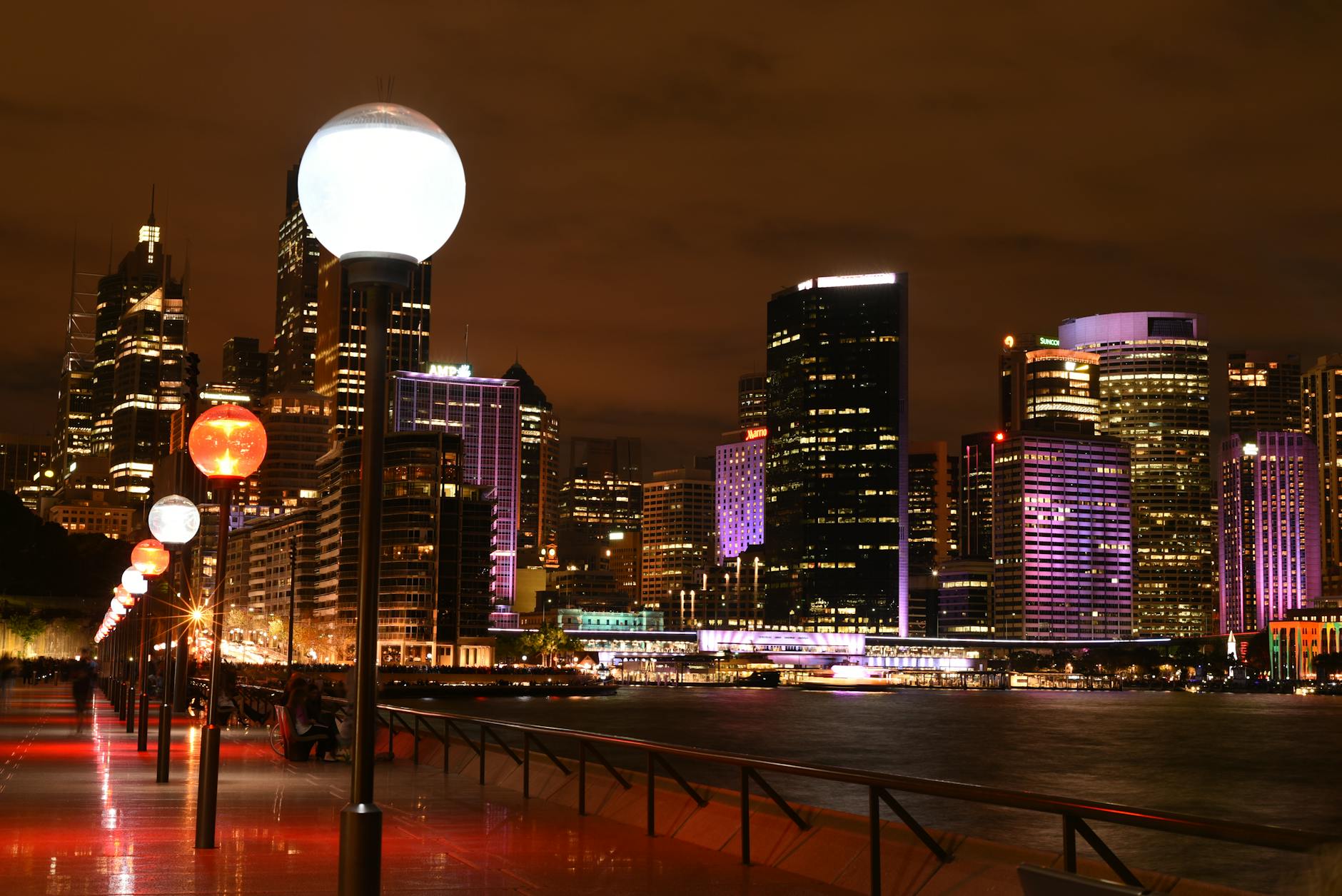
Start with Sydney‑centric keywords—include terms like “best coffee shops in sydney” or “sydney public transport tips.” Use tools such as Ahrefs or Google Keyword Planner with the location filter set to Australia. Then, create an en‑AU language version of each page, translate the copy, and add local images that reflect Sydney landmarks.
Common pitfalls and how to avoid them
Avoid generic “Australian English” translations that simply replace “color” with “colour.” Instead, adapt idioms (“take a break”) into Sydney‑friendly equivalents (“grab a cuppa”). Also, don’t neglect meta tags; they must be translated or rewritten for local relevance. Finally, test the site on mobile devices—most Sydneysiders browse via smartphones while commuting.
Conclusion. Localising your WordPress site for Sydney audiences isn’t optional if you want higher engagement and better local search rankings. By choosing a plugin that supports en‑AU, researching region‑specific keywords, and carefully adapting copy to local culture, you’ll create a website that feels native to Sydneysiders. The next step is to audit your existing pages, add the Australian English language option, and start publishing content that speaks directly to your community.
Image by: Kellie Jane